Showing posts with label Vampire. Show all posts

Tuesday, February 24, 2026

10 Vampire Adventurer Items

Vampires are incredibly powerful magical creatures; however they have several unique traits that sets them apart from other fantastical beasts like dragons, ogres, beholders, and so on. That being that they are intelligent, humanoid and/or ex-human, capable of using tools, similar in size to a standard adventurer, and have a limited ability to blend in with normal humans. Depending on the exact mythos they may also be able to control themselves when it comes to feasting on blood; either as a rule or as long as they are kept well fed. For these unique traits vampires are among the most common types of monsters that might actually become adventurers, and may even be driven to do so given the more inclusive nature your average band of misfits instead of superstitious townsfolk or for those unfortunate vampires not rich enough to impersonate a long line of (strangely similar looking) landed nobility throughout the generations.

Consider adding this loot table for vampire player characters to find which help mitigate some of their vampiric weaknesses. Alternatively, if you end up slaying a traveling vampire, they'll likely have at least one of these along with them as a bit of worldbuilding and a fun item you yourself may find a use for.

10 Vampire Adventurer Items
[1]
 Unrequited Invitation
Gold trimmed silk envelope containing a very fancy looking piece of perfumed paper within. Upon opening the letter and reading it it will be a very clear invitation to whatever event or household the person receiving this letter is a representative of; addressed to the owner of the invitation. This does not allow the vampire to enter the premises freely, as they have not been invited, but can trick a door guard to silently open it or call for a servant to take your coat which then count as having been invited. Even to non-vampires, this can make it much easier to enter a party uninvited or with lax security.

The ink is enchanted and takes about an hour to "defrost" and disappear. If accidentally handed to the wrong person can also reveal its a trick. For example, if a lowly stable boy handles the letter first it may instead read "COUNT SO AN SO IS FORMERLY INVITED TO THE SHIT SMELLING HORSE STABLES ON THE DUKE'S LAND!" because the stable boy isn't really considered a resident or having access to the party himself. Because the paper within and the envelope are enchanted together; after using this item you will need to recover the invitation and preferably before the ink disappears revealing your scam.

[2] Telescopic Parasol
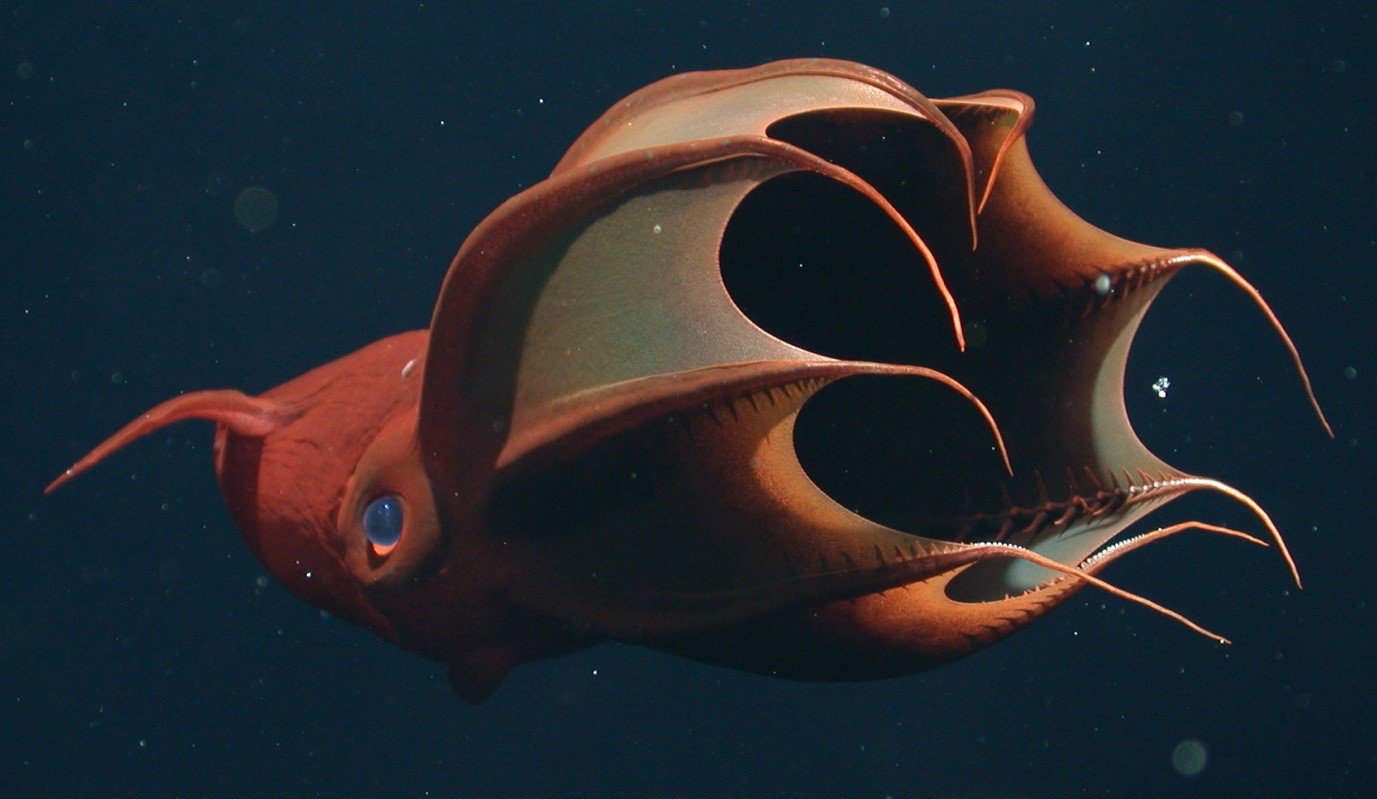
Dark gray and black umbrella with red highlights on its bottom side. Styled to look like a vampire squid. Designed to slide open as a modern umbrella and protects the user from the sun. Any vampire standing under this parasol while its open during even the brightest day takes, at maximum, one Hit-Point worth of damage per hour of being awake in the day. Arrows or attacks that cut holes in the parasol can negate this protection and naturally getting pushed out from under it will cause the unfortunate vampire to take full damage from the sun when their protection is gone.

By pressing the buttons along the handle you can expand the parasol up to 9 squares/size of a small campsite. At this size it's very unwieldy and requires both hands and can get blown away by the wind; but can be planted in the ground with an optional soil spike at the far end of the handle which can also be used as a d4 hidden weapon. Close inspection of the parasol does not reveal any enchantment or magical effects; it is simple a work of very high quality and mechanical complexity. Any repairs or modifications would require the greatest of skilled craftsmen.

[3] Heartfelt Stakeguard
Small piece of dull gray metal fastened with a long black satin strap. Shaped into a stereotypical Valentine heart. Designed to be worn around the chest underneath other clothing or armor. It never comes loose, slips, or chaffs and isn't apparent the wearer is wearing it unless you touch their chest directly and feel the hard spot where it is fixed. Provides +1 AC in combat and protects you from being staked in the heart; crucial for vampires but also effective for mortals as they usually don't enjoy getting stabbed in the heart either. "Heartseeker" arrows, vampire slayer stakes, or similar instant death attacks prioritizing the heart instead are either deflected, do maximum damage but are not lethal, or grant an additional save vs death bonus; whichever is most fitting to the attack.

The reverse side of the Stakeguard (the side you're supposed to have pressed against your chest) is scratched with the names of a hundred vampire lovers; either their human lovers or ones found after death. The oldest scratching are written in hieroglyphs that slowly progress to the modern language. Despite how many cold hands this object has passed through, there is always just enough room to scratch one more name on the back of the metal plate.

[4] Bloodstow Ring
Golden ring with a large brilliant blood red ruby inlaid within. Very close inspection while swirling the ring around reveals it is actually liquid; the gem is actually a very cleverly designed glass vial set in the ring with a tiny needle that can pressed to rapidly inject its blood into the finger of the wearer (if full) or drain some of their blood to fill the ring's vial (if empty). The ring is enchanted and can store a bit more blood then it appears, and the blood within never goes bad and is perfectly preserved, but it's still only a ring. In gameplay terms, activating the ring will cause the vampire wearing it to receive a blood injection equal to about as much blood they could feed from a human in a single combat round with a successful bite attack; restoring that amount of HP, stamina, vampire power points, granting the benefits of a fresh feed, etc. The benefit of the ring is you can feed your vampire nature in secret and it count as a bonus or free action; not requiring the danger of trying to grapple and bite an enemy.

Secondly, as a store of blood, it can also be very useful for keeping a piece of a party member even if they would otherwise be totally devoured or eradicated for a revival; or even as a way to keep an elder vampire's blood stored safely to turn yourself into a vampire without needing to submit to a vampiric sire and so on.

[5] Sanguine Scrying Dish
Deep bowl made of a dark, stained silver with bat motifs. Regular scrying bowls can be used by Wizards to spy on distant places or people, usually requiring something of personal importance to the person or a pinch of something natural from the location and filling the bowl with clear water. The level of the practitioner is used to scry more details more clearly and to see things that are attempting to be "hidden", such as individuals who change their names or move to a big city to go unnoticed.

The Sanguine Scrying Dish allows vampires to exercise the same power as diviners; except using blood instead of water and substituting their vampiric status and age instead of MU level. It is especially good at finding victims or people of special bloodlines, though it would require a drop of blood of someone related to them to show the image correctly. Using this, you can locate with great certainty any living, mortal individual.

[6] Dawnstone
Wrapped in black silk; this white stone looks as though it came from a holy place. One side of the stone is flatter then the other and has natural veins of golden ore within it that exactly match the symbol of a rising sun. This artistic symbol naturally occurring is clearly the sign of a divine miracle; and this stone is consecrated with holy power meant to prolong the day and ward against the coming night. However, it was stolen from priests or paladins of a holy order, and is being used for its opposite intended purpose. It is wrapped in many layers and handled carefully as it is still holy and deals 1d6 damage to vampires when touched; but it must be carried to have any effect.

Whenever sunlight is created from the result of a magic spell, released from a vial or jar, or created by "upgrading" another light source (like a torch), it is instead drawn into the Dawnstone, safely containing it. The Dawnstone can also prevent sunlight from entering a small room through windows or a crack in a cavern wall for one turn; safely absorbing the rays into itself until reaching maximum capacity. This would give a vampire time to find a dark place to hide before the morning comes and slays them. It cannot do anything about the sunrise itself, as it is simply too much light for it to handle, so being caught out in an open place as a vampire grants no protection. Every night at Dusk, the Dawnstone releases all of its stored up light around itself becoming a true sunlight lantern for 1d6 turns. By placing it in a sealed box or behind several closed doors by a trusted servant the Dawnstone can be safely discharged each dusk while carried around at night to offer some small protection against sunlight magic.

[7] Tickwand
Magic wand shaped like a pair of spiraling eels with several fattened ticks and maggots carved into its handle. While held, the user may convert any prepared spells/one mana point/one daily use power slot/etc. into a casting of Magic Missile which appear as little red hardened blood crystals which fly out to damage your foes. Despite shooting hardened blood crystals the projectiles created by this wand "taste stale" and have no nutritional value for vampires.

Alternate ability; fires actual magic ticks that seek the target, latch on for one turn before dealing damage, then return to the caster in another turn (floating slowly enough to get knocked out of the air since they're fat with blood). I kinda like the idea of this being a way to steal blood in combat at a distance but I also think an edgy vampire wizard would just outfit their magic wands and staves with bats, leeches, mosquitos, and other cool blood-sucking animals because they think it's cool. Maybe they got turned as a teenager so they stay in that mindset for all eternity. Maybe you could rework this into a cool "raid boss" mechanic where the ticks heal the vampire lord for 1d4 hp so if you swat them out of the air before they reach her you can prevent her healing during this phase or whatever.

[8] Nosering Ward
Magical nosering. It's a septum piercing that installs itself; dealing 1d2 damage the first time you bring it within a hand's distance of your face. After that, it deals no damage and can be removed or placed in your nose whenever you want. When worn, the Nosering Ward provides the user an additional saving throw against toxic or poison gas, miasma, stench of decay and so on by dulling the sensation of smell and protection the nose from foul magics.

Vampires are already mostly immune to those things and just use it to prevent smelling garlic.

[9] Portable Bridge
Appears as a small golden stick. If you place one end of it sticking out over a chasm, it will slowly grow out and become larger and larger until it touches the other size; at which point it will thicken up and become a bridge. Slowly it grows from a simple fallen log style bridge, to a basic wooden bridge with even footing, to something with extra supports and a wider path and parapets on the sides; until it eventually gains lanterns that glow and a wide, strong path that can support heavier and heavier weights. Placing this over a river is an easy way to cross one.

Each transformation roughly takes one exploration turn and increases the carrying capacity of the bridge by one person or general size/weight class. So one turn one person can cross unsafely. At two turns multiple people can cross unsafely or a heavily armored fighter can cross the rotten beams unsafely; but one person can cross safely. At three turns it has guardrails so multiple people can cross safely and can support the weight of a horse & rider. At four times, you can move a company across it. At five turns, you can move elephants across it, etc.

[10] Riding Mosquito
Exactly what it says on the tin. Flying mount, fragile, and lacks affection towards its rider. Required to drain the blood of a large animal, like a horse or cow (or a few people) to sustain carrying a rider any significant distance; the creature will end up as a shriveled husk and the bug will be gone by morning. If you try to ride this creature two nights in a row or a very long distance without accounting for its source of blood it will turn its proboscis on you instead. Wears a harness of black leather and red heraldry belonging to some far off vampire clan. 

Matching heraldry can be found on a little bone whistle shaped into a skull. Sounds like an Aztec Death Whistle or makes a high pitched sound too high for humans to hear which makes dogs go crazy and horses stampede; whichever you think sounds cooler. Blowing this calls the beast to you, but it can only come to open outdoor areas and only at night. This is what you actually find on the adventurer, with a little note that reads "his name is Eustace and his favorite food are elephants".

Sunday, February 23, 2020

Room Full of Vampires

There are a lot of kinds of vampires. Beyond different bloodlines, different weaknesses, and different cultures around them; vampires are an incredibly diverse group of monsters and not-monsters. Ignorant villagers and the superstitious often mistake things that are objectively not vampires, and call them vampires or think they share weaknesses. Vampires hunters sometimes mistake things that are objectively vampires as to not be vampires; even things that are vampires are indeed very different from each other. Here's a comprehensive guide.

Art @Julia Lepetit
Things that aren't Vampires
Vampire bats, intelligent or made into a Wizard's familiar. So to are the anthropomorphized vampire bats not actually vampires, even though they drink blood and fly around. You don't think you'd have to specify this one, but it happens.

People with porphyria in real life, or a blood-anemia disease in a fantasy world. They may drink blood to help them live longer lives and maintain their health, or people who need to steal blood because their blood doesn't clot correctly. Not actual vampires, just inbred nobles with a disease.

Vampire Cultists and vampire worshippers. These beings may drink blood, wear capes, or offer up blood to the night sky to attempt to woo a master vampire to come down and give them immortality. Also includes vampire hunters who drink the blood of vampires, since drinking addictive vampire blood may transfer some of their power into the mortal for a short period of time with none of the weaknesses, though it does require hunting some dangerous prey.

Blood collectors are not vampires. Some hemomancers and degenerate nobles bathe in the blood of virgins to regain their youth, some even drinking it to fortify their inner body, but they are still not vampires. Many become vampires eventually or are well on their way to it though.

Mosquito men who live in human skin suits. People often try to “turn” these undead to find no effect, they aren't undead, just gut sucking insectoid monsters. These are not vampires no matter how similar to how they feed; they just drain peoples fluids and wear their skin-suits to blend in to find their next victim; they aren't actually undead vampires. Can usually be told apart by feeding through a proboscis sucker out of the mouth instead of fangs.

Things that are Vampires
Recently raised from the dead Strigoi vampires. These are just dead corpses that came back to life, either due to improper burial rites or because they died too early and wished to remain alive so badly they came back. They sneak out of their graves at night, sneak into people's houses and drink their blood, returning to the grave. These are a weaker vampire type, and have little intelligence or magical powers beyond their supernatural strength and agility. It is also said greater types of vampires can anoint a tombstone with some of their own blood to create more of these vampires as lesser thralls.

Greater vampires, or Vampyr are the classic type. They feed off of the life force of living mortals; usually in the form of blood, and many were once dark sorcerers who chose to transform themselves into these creatures to become immortal. Vampires of this type come in a million different varieties, with a strong bond between sire and offspring for each vampire generation. This creates a vampire hierarchy, with the original progenitor of the bloodline usually sits on top, and a web of intrigue as the vampyrs in the line jockey for position and prestige. Each generation of vampire gets weaker, but they inherent some of the power of their ancestors the older they become, and sometimes if they overpower and kill their elder vampires they can drain their blood to become more powerful.

Genetic vampires, also called Dhampirs or blood-touched, are a type of undead that isn't totally dead. They still have a little warmth, and a heart that beats about once an hour. This vampirism is a trait that runs in a family; parents can have children which grow to adults, just much slower then normal. They have some resistance to, but are still harmed by sunlight, and they are still turned by holy symbols. Any destroyed result instead has them paralyzed for an exploration turn. Also, as a less-mystic type of vampire, these vampires can survive on any kind of blood and often herd goats or cattle to feed off of at night, though human blood is the most delicious and addictive.

Wednesday, October 30, 2019

Vampire Weaknesses

Vampires seem to have a lot of weaknesses. This is because many cultures and histories have been combined and act as a pool to draw from. But in a fantasy world, how can one explain all these weaknesses for what is supposed to be a terrible creature of the night? You could go with the WoD concept and have many types or bloodlines of vampires, or do something simple. The Gods.

Vampires, as with all undead, are weak to holy symbols and Clerics are well tuned to fighting them. Vampires are also killed by sunlight, which is a common weakness they all share, potentially an ancient bane given to them from the God of the Sky. Holy symbols are usually made out of silver, gold, or some other precious resource. Holy water also works as a sort of direct weapon against evil. Vampires can also be destroyed by direct damage and martial might, but so can anything in a high fantasy world. However, even with these powers, the Gods knew that vampires were too dangerous and powerful for mortals to clash with. With dark magic, shapeshifting, mind control, as well as superhuman strength and toughness; Vampires are the natural predators to mortals. In response, the Gods began to grant their followers new weapons against these dark forces; the banes.

Side Note- In some worlds, such as Goblin Punch's Centerra, Gods are very regional. Knowing the Gods of the region is as paramount to traveling through as is knowing the language and having a map. Using this concept, the vampires are instead cursed by the God's bane in their land.
Graf Orlok  @MitchGrave
Clerics can curse vampires. Cleric-curses aren't the same thing as regular black magic curses, they are like divine punishments sent from the heavens, and as such nothing except for a Wish spell can cure these. Naturally, divine-level magic that can cure normal curses won't work on a curse sent by the Gods. Clerics can curse any vampire that has an HD equal to their level or less. To curse a vampire, the Cleric must simple say a specific prayer while holding aloft their holy symbol. The Vampire will often flee even if the Cleric isn't turning them, simply to avoid this curse.

Once a vampire is cursed, they suffer the Gods bane. The vampire will suffer the bane of that specific priest's God, or if unaffiliated, a random bane is rolled on the table below.

Bane of the Vampires Table – Roll 1d10
[1] God of Craftsmen – Silver. Silver weapons or items deal more damage, similar to a werewolf.
[2] God of the Hunt – Wolfsbane. Similar to a werewolf.
[3] God of Fire – Fire. Regular fire catches on the vampire, dealing 1d6 per round.
[4] God of the Dead – Vampire must sleep in their native soil. This only makes the vampire weaker instead of killing them, but degenerate their HD by -1. Symbolic of returning to the grave.
[5] God of the Ocean – Running water. Rivers that flow to the ocean are impassable.
[6] God of the Hearth – Cannot enter a house invited.
[7] God of Farming/Fertility – Garlic. The vampire is repelled by it, as though turned.
[8] God of the Moon – Mirrors. Vampires don't shed a reflection, but a vampire with this bane are additionally turned by the sight of a mirror.
[9] God of War – Stake through the heart causes instant death. Normal vampires are usually killed by a wooden stake simply due to the damage taken, but this bane guarantees it.
[10] God of Merchants – Counting. The Vampire is forced to count out beans or grains of rice spilled on the ground; giving enough time to avoid their attack.

Tuesday, August 22, 2017

50 Strains of Vampirism

Hydra Vampire [24]
 50 Strains of Vampirism
For OSR Adventures

[1] Gothak Vampirism. Exclusive to orcs/goblins/greenskins. Their skin sheds constantly, leaving them lime green like an orc baby. They lose much of their physical strength (scary for orcs), but darkness near them is supernaturally inky and cannot be penetrated by dark vision. (also scary for orcs.)

[2] Rigorak Vampirism. Can control rigor mortis in corpses, letting them bend corpses into different poses, as mannequins, or even furniture. Hands become horribly inflexible, giving -2 to all lockpicking attempts and cannot make certain hand signs.

[3] Gnoll Vampirism. Gnoll Vampires are sometimes called 'Bouda'. Their bodies are hunched and must move on 4 legs, but their insatiable hunger lets them drive after prey for miles and imitate voices. If your Gnolls could already imitate voices, Bouda can shapeshift to look like other people too as long as they imitate their voice.

[4] Melivel Vampirism. They count all their stats as -3 modifier in the presence of anti-magical devices and spells, but can 'drink' a spellbook's ink like blood. Can cast any spell they drink once.

[5] Day-Walker Vampirism. Weak strain of vampirism that has no trouble in the sunlight, but only has one or two of the vampire powers.

[6] Feral Vampirism. The newly turned vampire, over the course of 10 years become totally feral regardless of how much blood they feed upon. Over the next few centuries they slowly morph into a bat like creature with extremely high AC and damage, an unending thirst for blood.

[7] Noble Vampirism. Vampires retain all morality upon being turned, prefer to feast on animal blood or have willing partners to donate blood to. Still treated with scorn and will probably be killed if secret is revealed to normal folk.

[8] Dust Vampirism. Instead of having thralls, these vampires creates dust wraiths to guard their tombs and hideouts. Double weakness to fire.

[9] Genetic Vampirism. Usually manifests later in life, or automatically 'replaces' any other strain of vampirism the person catches. Roll one random stat, that stat is treated as a 20 once you fully turn and are fed with blood.

[10] Merchant Vampirism. Must stop to count small objects, like beans or stones, if spread across an area they are hunting. They can also command coins and can smell gold and silver.

[11] Morakath Vampirism. This vampire grows huge scaly plates on their chest and back, granting +3 AC, but heavy and lumbering footsteps make them unable to be very sneaky.

[12] Demonic Vampirism. This vampire grows horns and can sign magic contracts with mortals. They are doubly effected by Turn Undead and holy water.

[13] Animal Vampirism. Lets certain animals, like dogs or horses, become vampires if infected. Humans cannot catch it, but can be carriers, so if you're bitten by a wolf you could accidentally give it vampirism.

[14] Righteous Vampirism. Those infected with this become devoutly religious to whatever local religion is most prominent in their area, and will constantly pray and atone for the sin of being a vampire. Anyone they drink blood from recovers from the blood loss twice as quickly as normal, and they cannot be turned like other undead.

[15] Cyclopean Vampirism. Painful first years of transformation as one eye swells to take up center of face while the other slowly shrinks and is consumed by the skull. Single unblinking eye requires a damp lair, but can see extremely far and well in the night, and gets +2 AC from projectile attacks come from directly in front of it. Horrible peripheral vision means it is easy to flank and sneak past if you keep to its sides.

[16] Wine Vampirism. Vampires must drink blood mixed with wine that is fermented in their lairs, but are extremely intelligent and can trick most people into doing what they wish.

[17] Imp-Lord Vampirism. Vampires of this are only made through dark magic. When they bite and turn someone else, they become a lowly imp instead. When the vampire lord dies, the strongest imp becomes the new Imp-Lord and rules the other vampire imps. Imps are notoriously untrustworthy and plot against their vampire master constantly.

[18] Sword Vampirism. This vampire is normally in the form of a magic sword, with +1 bonus per 100 years they have been a vampire. Can whisper to anyone holding it to feed it blood by killing people with it, which feeds the vampire. Can make the sword move or take on temporary bat/wolf form but makes them very hungry and tired. Sword is not damaged by the sun but grants no magic bonus during daylight hours.

[19] Impaler Vampire. Instead of drinking blood, this vampire needs to impale people instead, draining their life force as they slowly die. Can conjure stone spikes beneath foes as a magic attack, immune to piercing damage.

[20] Black Vampire. Skin turns black as the abyss as they age, all light hurts them but they move twice as fast in the darkness as normal vampires, they gain knowledge of black magic, and can drain your blood just by touching you.

[21] Psychic Vampire. This vampire absorbs psychic lifeforce instead of physical, meaning anyone who touches them loses all charisma bonus for a time and becomes listless and boring. Can once per night per hundred years as a vampire blast people with psychic energy, dealing 1d6 damage.

[22] Obese Vampirism. This vampire still feels the need to eat food though undead, and grows swollen with rotten food in its belly. Can eject noxious cloud of gas that stuns, paralyzes, or causes minor damage once per night.

[23] Golafan Vampirism. This vampire can hide in the 'skin' of any animal or person it touches, only to jump out at an opportune time to drink blood. Anything with the vampire hidden inside them tends to have cramps and weird pimples growing on them, hinting at the hidden vampire inside.

[24] Hydra Vampirism. Grows an extra identical head once every 100 years they've spent as a vampire. All of their heads can sprout bat wings and fly around, swooping in to drink blood. But if the body is destroyed or heart is staked all their heads will perish in a puff of flame.

[25] Undergrowth Vampirism. This vampire must live in the woods, and can move freely through plants and brush. They control armies of ticks to drink blood for them, which they mash up into bread once the tick is fat on blood. Must sleep under huge piles of fallen wood and leaves during the day. They can also weave talismans of twigs and leaves that scare people from investigating their lairs. These vampires are scared of humans and very weak in a fight.

[26] White Vampire. These vampires can only drink blood from willing sacrifices and are invisible to most people except who they were directly related to in life. Tend to keep to themselves but will try to protect their descendants using vampire powers and secret wisdom.

[27] Feline Vampire. This vampire grows cat ears, tail, and red cat eyes. Incredible agility and senses, but a dog's bark has the same effect as a Turn Undead effect on them, where the Turn Undead level is equal to the number of dogs they hear.

[28] Fog Vampires. Cannot take physical form except as a fog when weather conditions allow. Everyone within the red fog takes 1 damage every turn, but they cannot be hurt by physical means.

[29] Zommethel Vampirism. Once turned they shrink and grow huge, calloused hands. They can repair magical equipment and almost anything else but will only do so with a payment for blood. Mostly feed on rats and livestock, too busy crafting and repairing items to hunt humans.

[30] Thorny Vampirism. Painfully grows spikes all over its body, cannot wear armor or clothing. Any blood drawn by the spikes is automatically absorbed by the vampire.

[31] Clan Vampirism. Can tell when other vampires who turned them or who they turned are in danger and get +2 to all actions to aid them. When once of them dies, the others in their clan have a 1 in 6 chance to be stunned for a round from the pain.

[32] Stoic Vampirism. Once turned, these vampires cannot speak, but do not need to eat blood. They will however find a lair and slay anyone who tires to enter it like normal vampires however. They spend all their time not kill intruders sitting silently and doing nothing.

[33] Taskmaster Vampirism. Cruel vampire with long hair that can be used as a whip. Lords over weaker creatures with less HD then it has, letting them gain advantage on morale checks as he whips them to keep them obedient. If hair is cut off the vampire loses all vampire powers until it grows back, which could take decades.

[34] Ruthless Vampirism. These vampires have increased physical strength, the ability to glide, and have tough skin that grants +2 AC. They can only feed off one random person they can sense within a mile radius and must hunt them down and drink their blood before they can get a new target to feed upon.

[35] Tempest Vampirism. These vampires are immune to lightning damage and have metal fangs. They can conjure a storm with a ritual that spans 1d6 nights, and during a storm they can come out in the daytime, as long as the sun is covered up by black and roiling clouds.

[36] Toad Vampirism. Warty, can hop long distances, and has a very long tongue that sucks blood like a proboscis. They can feed off people through their windows without entering their houses, or can attack from a range with their tongue. If kissed by a beautiful person of the opposite sex, they turn into a toad permanently.

[37] Ridge Vampirism. This vampire needs to suck out bone marrow instead of blood, but is physically weak except for incredible climbing ability. Can conjure lights and create ghostly howls at night, lures and scares travelers off cliff to fall to the ground below so they can suck their broken bloody bones.

[38] Uterus Vampirism. When a fetus is somehow infected with vampirism, it dies and becomes a spirit that infects women who are impregnated, feeding off their life force while a stillborn child grows inside them. Can be cured with a few different magical methods, or by the women having sex with a priest.

[39] Puddle Vampirism. This vampire is purely a liquid, any blood spilled in it feeds the vampire. Can resist gravity and flow where it wants to, and can split up its body into many small puddles and pools. It usually sets itself up under traps, or into drinks where if it is drunk deals 1d4 damage internally to the person who drank them. In the sunlight, this liquid evaporates in seconds.

[40] Bereaved Vampirism. This vampire attends funerals, slowly draining the blood from the corpse simply by proximity, can even do this once the person is lowered into the ground and buried, but once they leave the site they cannot drink blood from a buried corpse instead. Usually pretty harmless, but if they get hungry they may start murdering people to cause more funerals.

[41] Bedbug Vampirism. Vampires that can turn into swarms of bugs. Usually invade people's houses to live in their mattresses and feed on them while they sleep. Weak to fire, and if the mattress is burned while they are in it they cannot escape.

[42] Oxalath Vamprisim. These vampires grow a few inches in height and their bones turn hard as iron, making them incredibly strong. If they fall into water they cannot swim. Cannot be hurt by bludgeoning weapons.

[43] Chromatic Vampirism. These vampires victims turn white temporarily, and they can conjure blinding rainbow lights once per night.

[44] Warden Vampirism. These vampires can only feed of the blood of poorly treated prisoners, and often capture humans to keep in cages and beat mercilessly. Whenever they are wounded they can sprout iron chains from the wound that can wrap around and disable their foes.

[45] Jingaal Vampirism. Cruel vampires skilled in dark magic. Once per night per 100 years as a vampire; they can reduce a target's maximun health by -1d6 points. If you hold a “lucky” item, like a horseshoe or rabbit foot, you get advantage on the saving throw vs magic.

[46] Frozen Vampirism. These vampires are unnaturally cold and ice forms on them when they sleep during the day in their coffins; granting them +3 AC until melted off by a fire spell. They are not actually weak to fire, but any symbol of spring like a flower or butterfly causes them to flee in panic.

[47] Leech Vampirism. Bottom half of vampire becomes a fat slug body, making them unable to go up stairs faster then a snail's pace but move faster through muck and slime. They can crush people even in plate armor and suffocate them if they get on top of them with their slug parts.

[48] Cosmic Vampirism. Vampires that come from another dimension entirely, inhabiting the bodies of dead mortals. They barely understand how our bodies move, making them very uncoordinated and unable to use weapons, but can conjure powerful elements and blasts from the stars, give you mind-shattering visions from other worlds and can teleport 10ft each round instead of their usual hobbling walk. If enough vampires of this type die at the same time, it may rip a hole big enough for something far worse to come through.

[49] Kofic Vampirism. These vampires spend the first 5 years of their undeath drinking huge amounts of blood and spewing it out in tiny, shiny round red orbs. They are too feral in the early years to keep these with them, and just leave the orbs around. These orbs are mildly magical, and are tied to the vampire's strength and life force. After 5 years they 'wake up' and must quest to find their blood orbs lest they fall into enemy hands.

[50] Tyrant Vampirism. The most potent and powerful kind of vampires; it is believed that only those who have done 3 great deeds of evil, or 666 minor deeds of evil in life can become a Tyrant Vampire, and can only be created through a special ritual performed by lesser vampires or from another Tyrant Vampire. Tyrant vampires only take 1 point of damage from non magical weapons, they can animate bodies drained of blood into husks that act like zombies, and they are treated as two HD higher for the effects of Turn Undead. Tyrant vampires are also known to control many other lesser clans and strains of vampirism to accomplish their goals.

Tyrant vampires are terrified of and cannot act against children. The giggling of children stuns them in place and the touch of a baby turns them to dust and destroys them instantly.